

Care and maintenance to keep vegetation preserved in optimal condition
1. Avoid direct exposure to sunlight: Preserved plants are sensitive to direct sunlight, so it is advisable to place them in shaded areas or avoid prolonged exposure to the sun. Avoid sources of heat or cold as much as possible.
2. Do not water: They do not need water, as their sap has been replaced during the stabilization process. Avoid spraying or watering them, as this can damage their appearance.
3. Avoid excessive moisture: They are susceptible to deterioration from excessive moisture, so damp places or places with high humidity should be avoided. This can cause the plants to deteriorate.
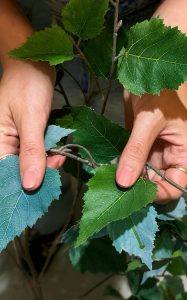
4. Gentle cleaning: To clean preserved plants, use a soft feather duster or dry cloth to remove dust from the leaves and branches. Avoid using water or chemical cleaning products, as these can affect the preservation of the plants.
To remove a stain in a specific area (caused by something external to the plant), use a well-wrung damp cloth and dry any remaining moisture with a dry cloth.
5. Avoid excessive handling: Preserved plants are delicate, so it is recommended to avoid touching them excessively. Frequent contact can cause leaves and branches to fall off or become damaged.

Remember that preserved plants...
- They are for indoor use only.
- They do not require watering.
- They are non-allergenic and do not emitCO2.
- They are sound-absorbing: they help to organize sound in their location.
- They should be kept at a relative humidity of between 40% and 70%.
You should also know
– Colors may vary in hue over time, in a controlled and natural manner.
– Masks unwanted odors: depending on the plants selected, the garden gives off different fragrances that can help mask other odors (kitchen, bathrooms, etc.).