Are all artificial plants suitable for outdoor use?
The answer is no. Although many artificial plants may look similar at first glance, not all of them are suitable for outdoor use.
The weather conditions faced by plants on terraces, in gardens, on building facades, or around swimming pools are very different from those indoors. Continuous exposure to the sun, high temperatures, rain, humidity, and wind can quickly damage an artificial plant that has not been specifically designed for outdoor use.
For this reason, artificial plants for outdoor use are made from materials specifically designed to withstand these conditions. They feature UV-protective treatments and more durable materials that help them retain their color, shape, and appearance for much longer.
What happens if we use artificial indoor plants outdoors?
One of the most common mistakes is installing artificial indoor plants on patios or in gardens, assuming they will behave the same way. However, problems usually arise within a short time.
Constant exposure to sunlight can cause a gradual loss of the original color, and may even result in very unnatural bluish or whitish hues. In addition, the materials can dry out, become brittle, and lose their flexibility.
It is also common for the leaves to begin to warp due to the heat, for some pieces to come loose due to the wind, or for the internal structure to deteriorate due to humidity and temperature changes.
In the most extreme cases, the plant may end up looking very obviously artificial, completely losing the decorative effect that was intended.
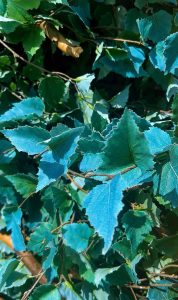
Features of Artificial Plants for Outdoor Use
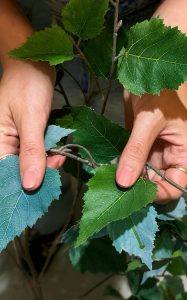
Artificial vegetation designed for outdoor use incorporates higher-quality, more durable materials. Among its key features are UV-protective treatments, which help minimize degradation caused by solar radiation.
In addition, they typically use more durable polymers, reinforced structures, and finishes designed to withstand rain, humidity, and temperature fluctuations without warping or losing stability.
Thanks to these features, they retain their color, texture, and natural appearance longer, even under demanding conditions.
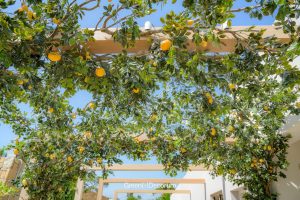
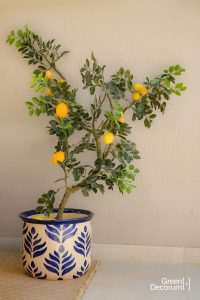
Choosing the right vegetation prevents long-term problems
Choosing the right artificial plants for outdoor use not only ensures a better aesthetic result, but also prevents premature replacements and unnecessary maintenance or replacement costs.
Each project has specific needs depending on its location, sun exposure, and level of exposure to the elements. That is why it is important to always choose plants specifically designed for outdoor use.
When the right materials are used from the start, the vegetation retains its appearance for longer, and the space maintains the well-maintained, natural look that is intended.
Artificial outdoor plants are designed to withstand conditions that an artificial indoor plant cannot endure for long periods of time. Choosing materials that are built to withstand sun, rain, and temperature changes is the best way to ensure a long-lasting installation that looks natural and won’t present any surprises down the road.
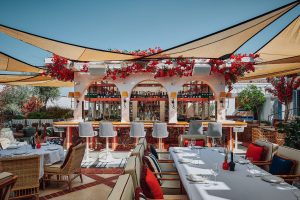
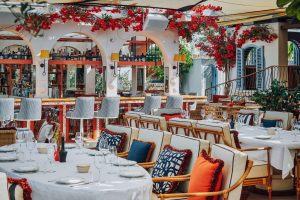
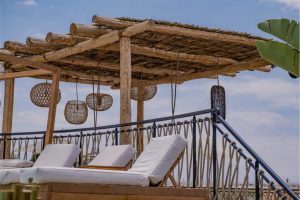
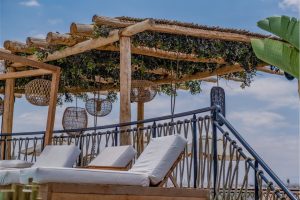
Creating Decorative Shade on Pergolas and Outdoor Structures
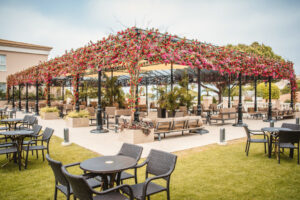
Artificial outdoor plants aren't just used to decorate gardens, patios, or building facades. They can also be installed on pergolas, lightweight canopies, and other structures to create more pleasant and comfortable shaded areas.
Unlike other, more rigid or uniform shading systems, vegetation creates organic, ever-changing shade thanks to the shape of its leaves and branches. This effect allows light to be filtered naturally, creating patterns of light and shadow that add depth, dynamism, and a fresher feel to the space.
In addition to enhancing visual comfort, these types of solutions help create more welcoming and natural environments, especially on restaurant terraces, relaxation areas, corporate spaces, or outdoor residential areas. As long as artificial outdoor plants made from materials resistant to UV radiation and weather conditions are used, this decorative effect can be maintained for years with minimal upkeep.
If you'd like to learn more about our approach, check out our articles.