How to Use Plants in Offices to Improve Layout and Privacy
Plants in the office do more than just enhance the aesthetic or promote well-being. When thoughtfully incorporated, they can also help organize spaces, create visual privacy, and make the office feel more comfortable and balanced without the need for major renovations.
Every space has different needs, and plants can adapt to them in a natural and functional way. From open-plan offices to high-traffic areas and coworking spaces, here are some ways to use plants to improve the layout and experience within the office.
Visual privacy
In large or overly open-plan offices, one of the most common complaints is a lack of privacy. Even if the space is functional, it can feel cold, exposed, or unwelcoming.
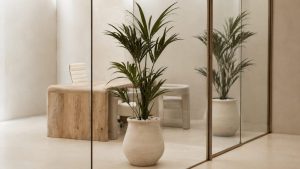
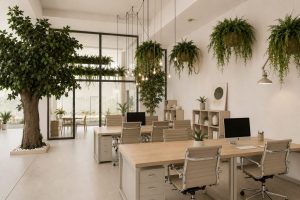
Plants in offices help create a sense of intimacy without completely closing off the space. Large trees, especially those with a light, slender structure and height, serve as natural visual screens and divide spaces in a much more organic way.
In addition to providing privacy, they help soften the scale of the space and create more comfortable work environments.
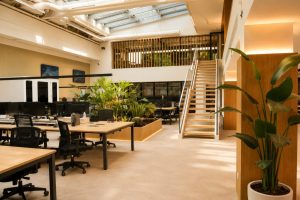
Divide spaces without building walls
More and more offices are looking for flexible, open spaces, especially in coworking spaces or collaborative environments. In these cases, it is essential to divide spaces without sacrificing visual openness.
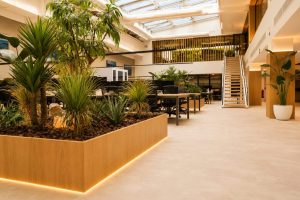
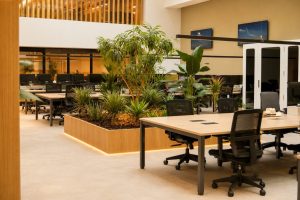
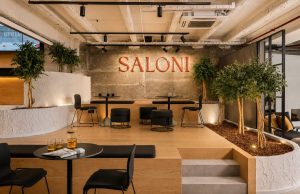
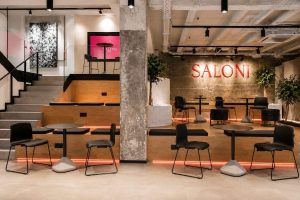
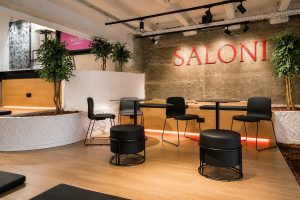
Planters are one of the most versatile solutions for achieving this. They allow you to define work zones, create pathways, or separate gathering areas without having to install permanent partitions.
They can be integrated into custom-designed structures, combined with furniture, or even used as movable partitions depending on the space’s needs. The result is a more fluid, flexible, and natural office environment.
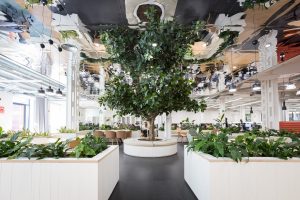
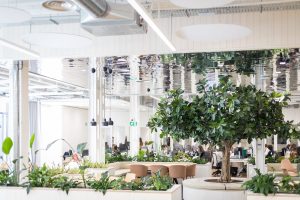
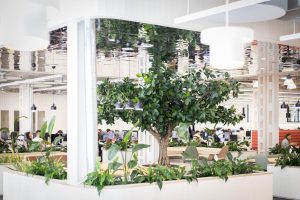
Balancing open spaces and shared areas
Open-concept spaces provide a sense of spaciousness and brightness, but they can also create a feeling of emptiness or a lack of visual structure.
Potted trees are a highly effective way to balance these types of spaces. They help create visual focal points, provide a sense of scale, and allow you to organize different areas without disrupting the flow of traffic.
In addition, because these are movable elements, they offer flexibility to adapt the office layout over time, which is especially useful in dynamic or growing spaces.
Connecting different work areas
When plants are incorporated into the overall office design, the space feels much more cohesive and balanced.
It’s not just about placing plants in different spots, but about creating visual continuity that complements the project’s identity. Repeating materials, types of vegetation, or similar arrangements helps connect different work areas and maintain a consistent aesthetic throughout the office.
Vegetation ceases to be an isolated element and becomes an integral part of the language of the space.
Create more natural transitions within the office
Transition areas are often overlooked in office design, but they are essential for creating a more seamless and pleasant experience.
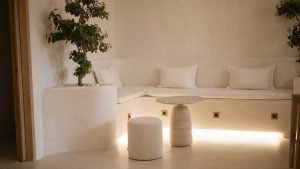
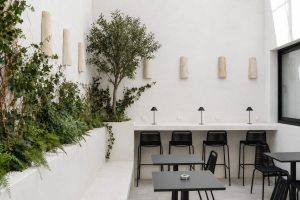
Plants can be used to guide visitors along pathways, signal changes in the environment, or reinforce the company’s visual identity. And if there is an outdoor space, we can also incorporate plants suited to outdoor conditions to enhance terraces, entryways, or rest areas, creating aesthetic continuity between the interior and exterior and lending a more natural, welcoming look that is consistent with the space.
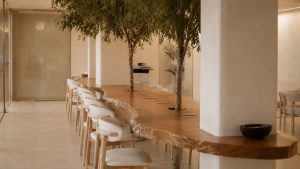
When vegetation is taken into account from the very beginning of a project, it can also be incorporated directly into the furniture, architectural structures, or elements designed specifically for the space, resulting in a much more natural and cohesive look.
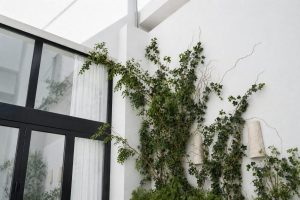
Create more comfortable spaces without sacrificing visual openness
In small offices or compact spaces, incorporating plants requires a delicate balance. The goal isn't to fill the space, but to bring it to life without making it feel visually cluttered.
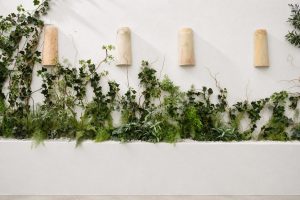
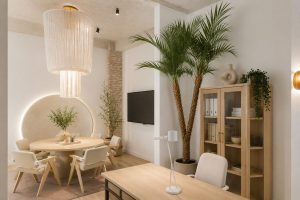
Tall, slender plants, trailing varieties, or branchy trees with sparse foliage work particularly well in this type of setting, as they help maintain a sense of openness and lightness.
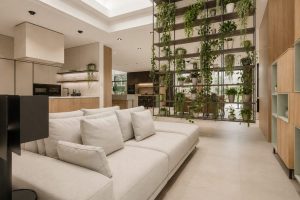
It is also common to make use of elevated areas or ceilings to incorporate greenery without taking up floor space. This adds warmth and vitality to the office without compromising functionality or visual clarity.
<p>Integrar vegetación en oficinas va mucho más allá de una cuestión estética. Cuando se planifica de forma estratégica, permite mejorar la distribución, aportar privacidad y crear espacios de trabajo más equilibrados, flexibles y agradables. Desde jardineras y árboles en maceta hasta jardines verticales o soluciones integradas en el mobiliario, la vegetación en oficinas se convierte en una herramienta clave para diseñar entornos más humanos, funcionales y adaptados a las nuevas formas de trabajar.</p>
If you'd like to learn more about our approach, check out our articles.